
Five Family-Friendly Oʻahu Beaches and How to Stay Safe in the Water
Waves on Oʻahu change a lot by shore and season. Here are five calm beaches that work well with children, and the safety habits local families follow.

On Oʻahu, the water can be very different from one beach to the next on the same day. In winter (November to March) big waves hit the north shore, and in summer the south shore has days with higher surf. With children, the basic rule is to choose a beach where a breakwall or reef blocks the waves and a lifeguard is on duty.
Beaches that work well with children
Ala Moana Beach Park
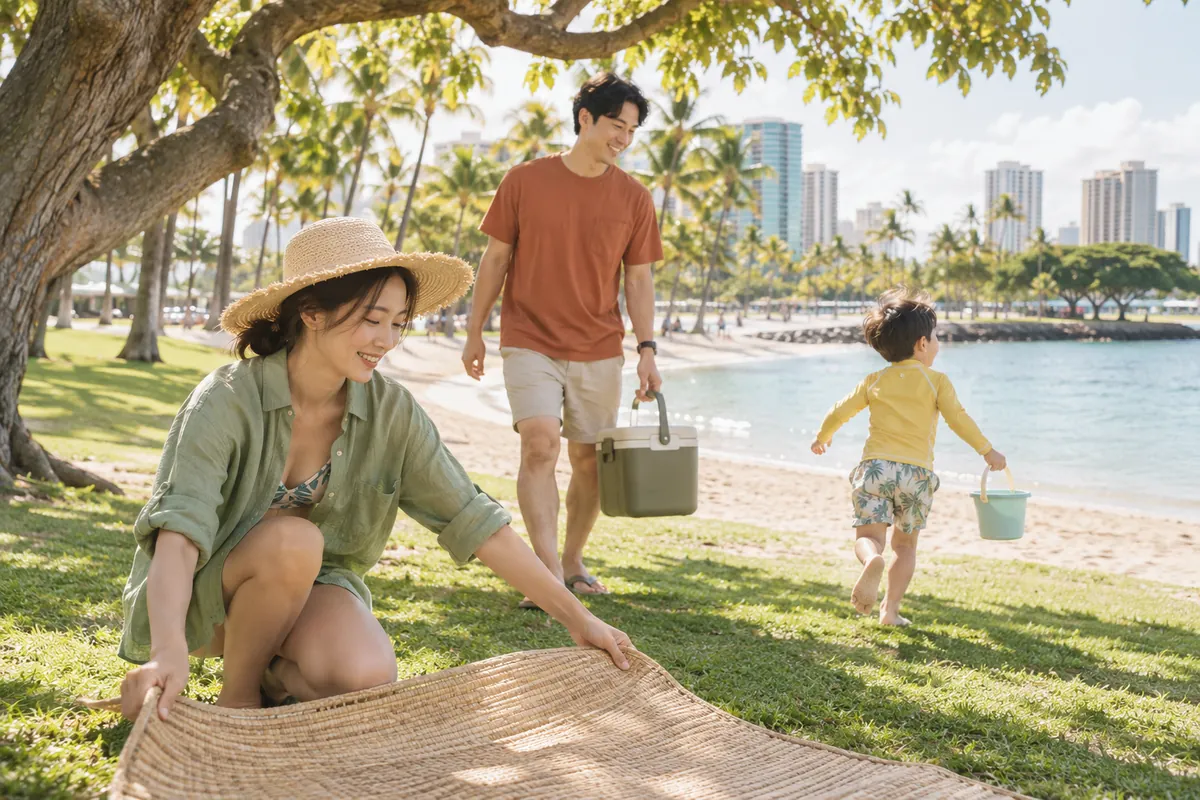
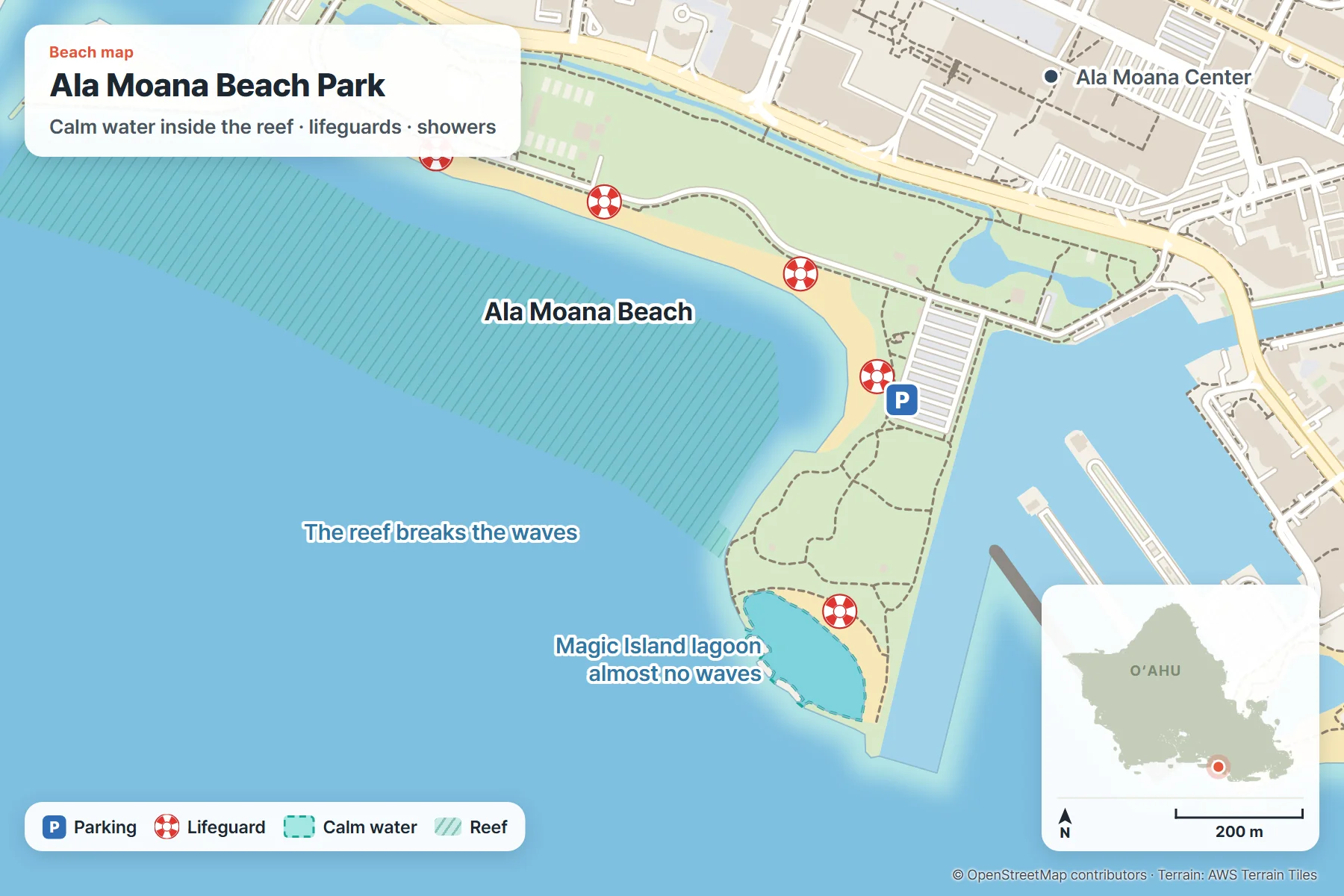
This wide park beach sits right across from Ala Moana Center. An outer reef keeps the water calm, and the lagoon at Magic Island (ʻĀina Moana) at the end of the park has almost no waves, which is ideal for young children. With lifeguards, showers and shady lawns, it is an easy afternoon stop, and you can walk there from condos in Ala Moana.
Kūhiō Beach (Waikīkī)
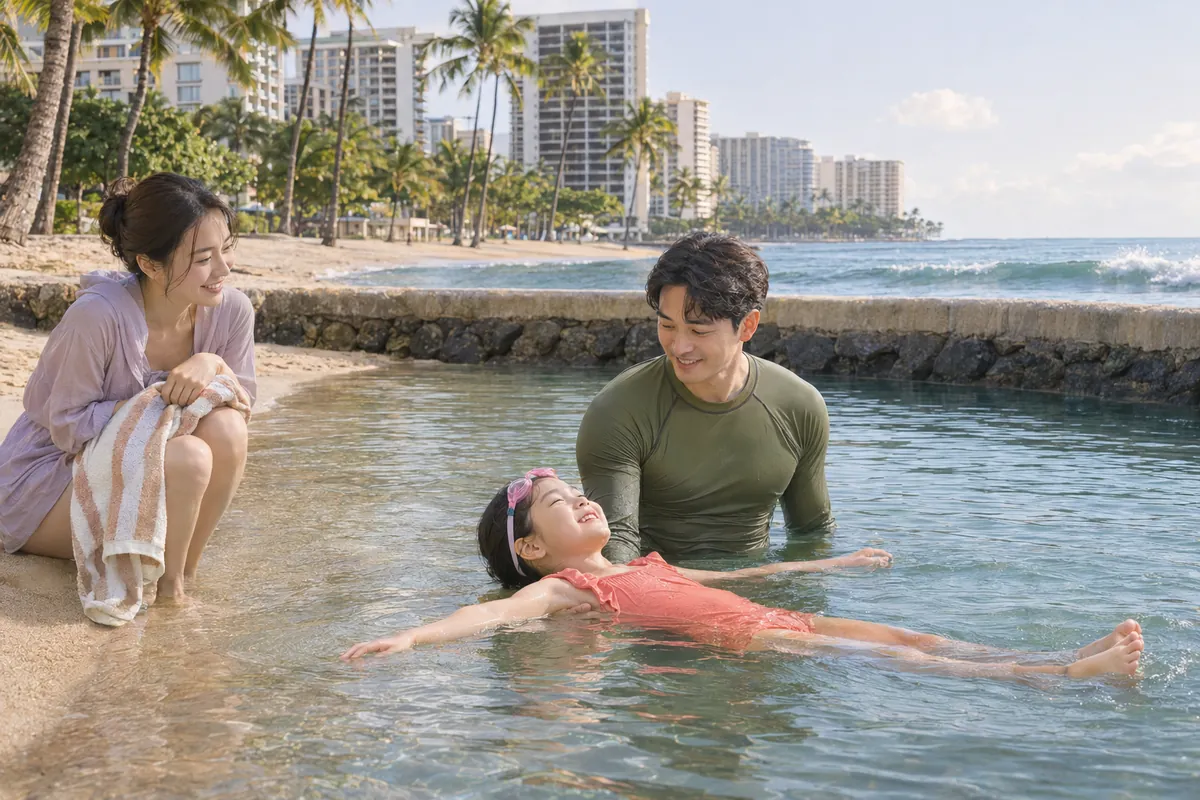
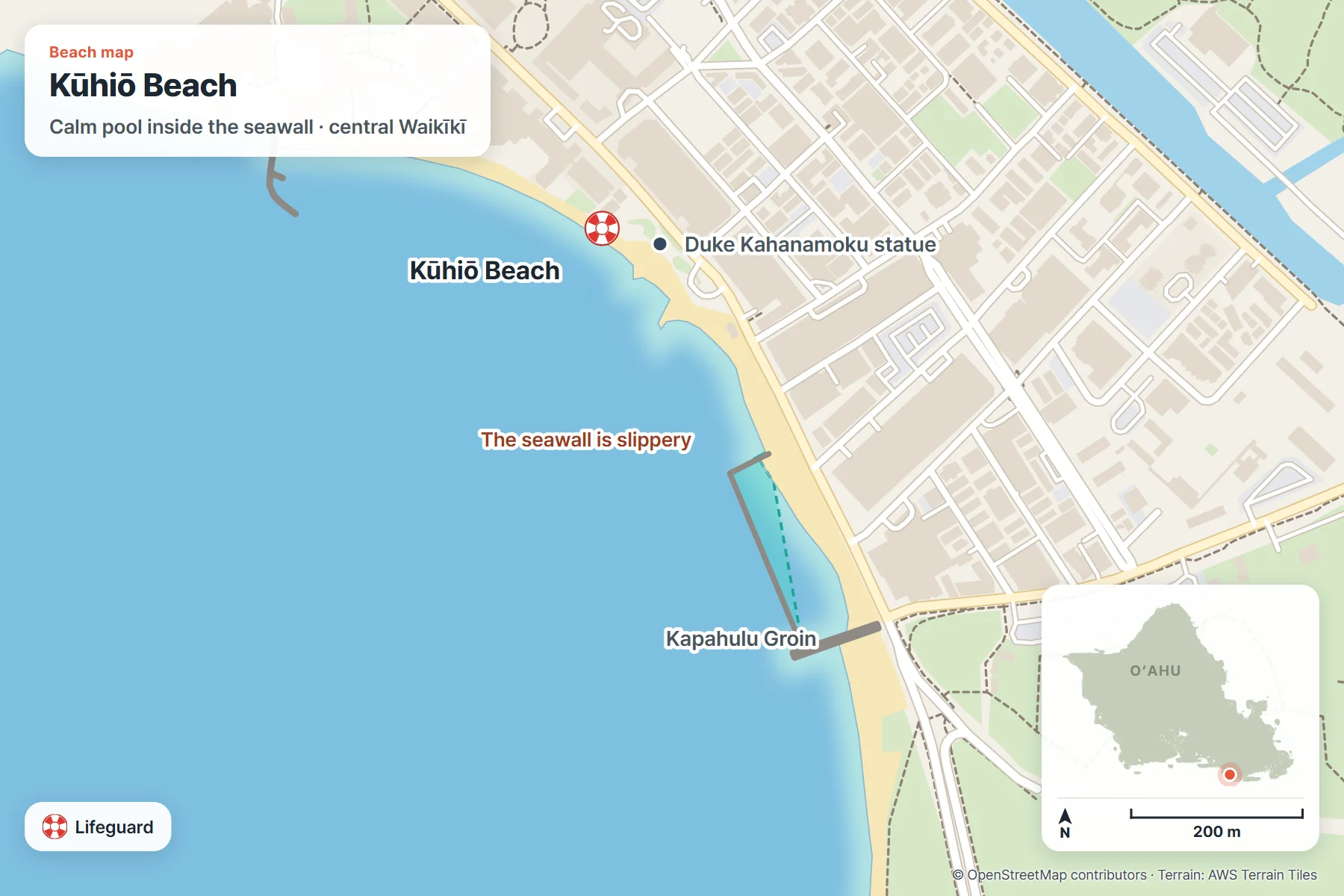
Although it is in the middle of Waikīkī, a breakwall built out into the ocean encloses the swimming area, so the water is calm. It is near the Duke Kahanamoku statue and gets crowded during the day, so early morning is more relaxed with children. The top of the breakwall is slippery, so keep children off it.
Kaimana Beach
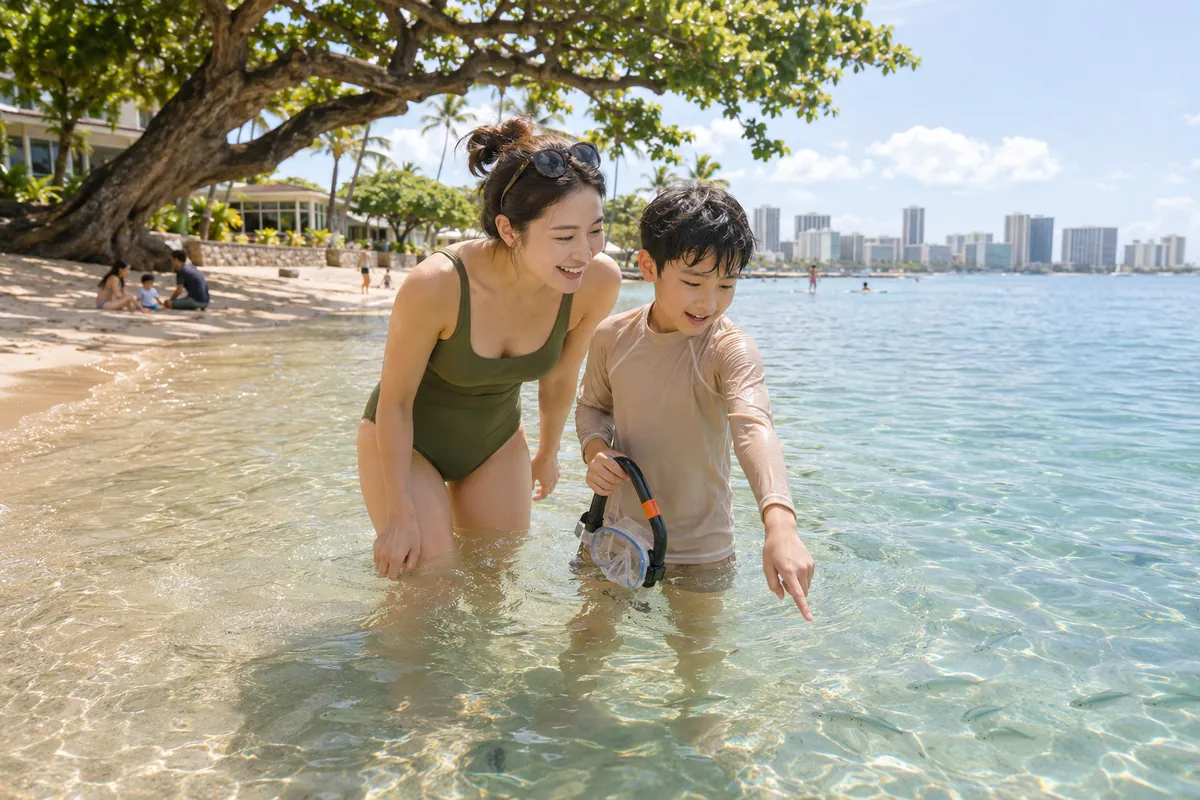
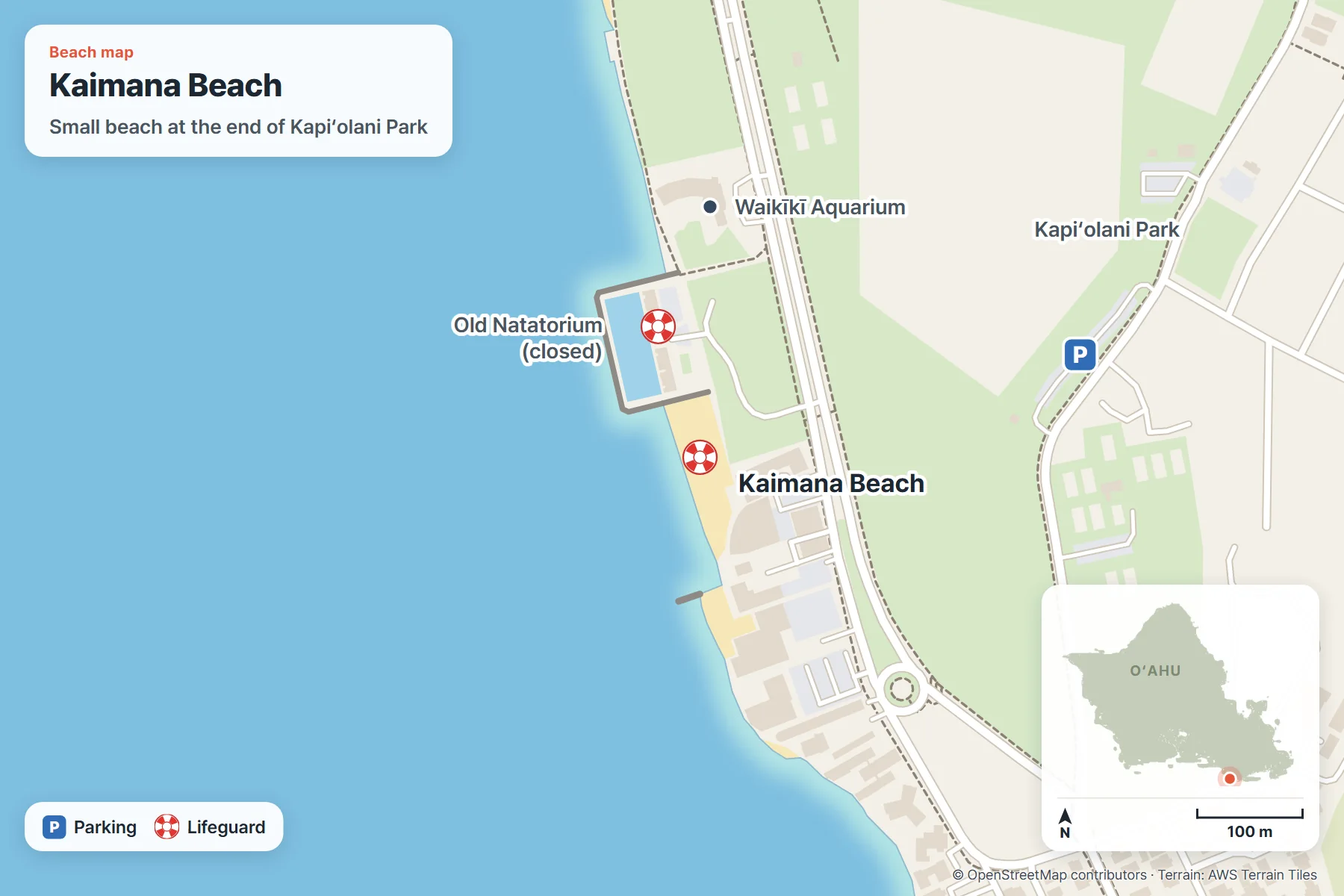
This small beach next to the Waikīkī Aquarium, at the end of Kapiʻolani Park, is quieter than central Waikīkī and has clear water, so many local families go there. After a swim, the aquarium and Kapiʻolani Park are right next door.
Kailua Beach
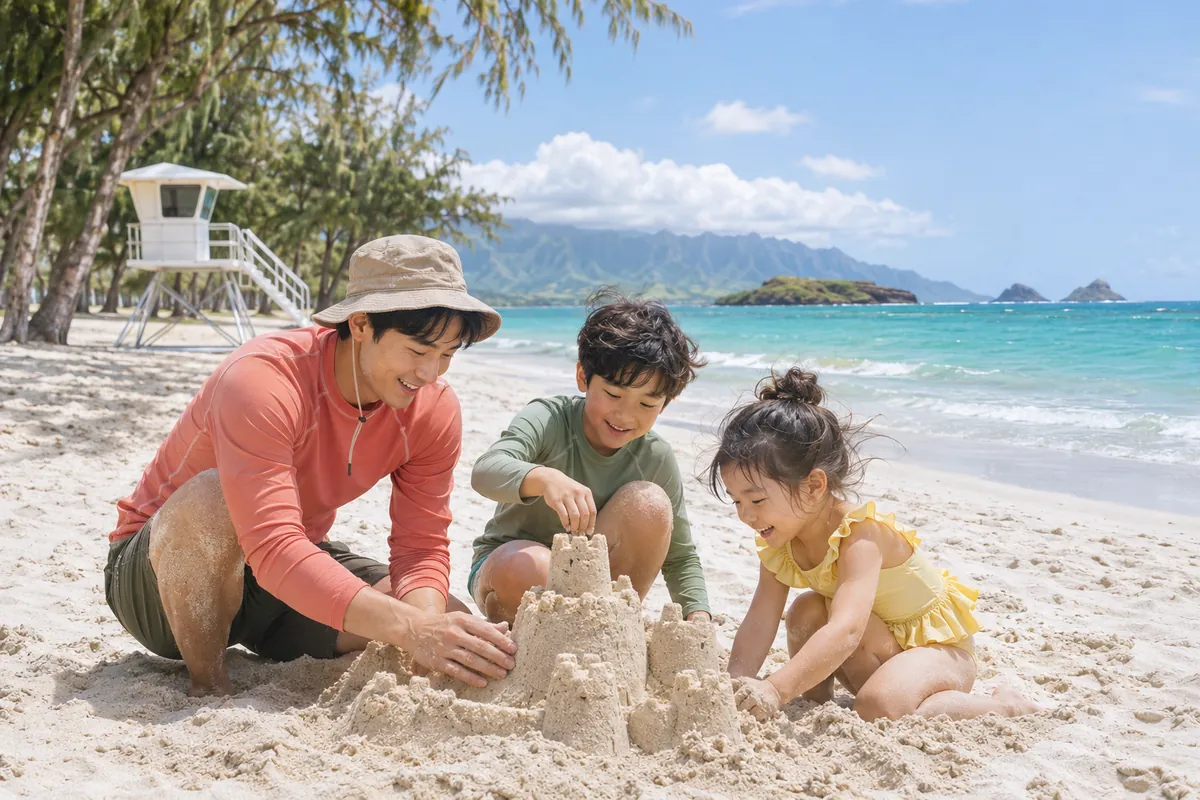
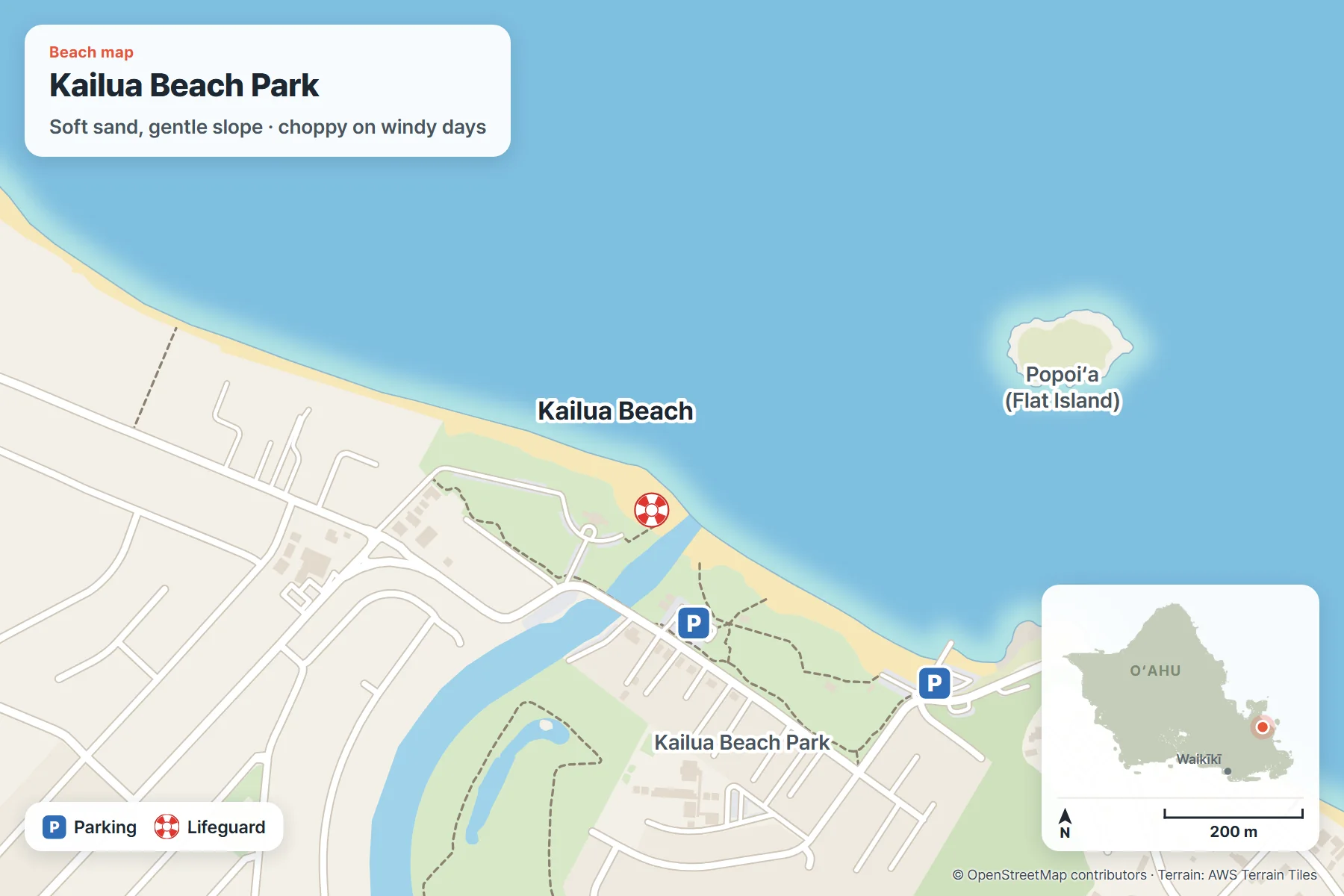
This soft-sand beach in Kailua on the east side slopes gently into the water, so children can play easily. On trade-wind days it can be windy with some chop, so stay near the lifeguard tower. It pairs well with a walk around Kailua town for a day out.
Hanauma Bay
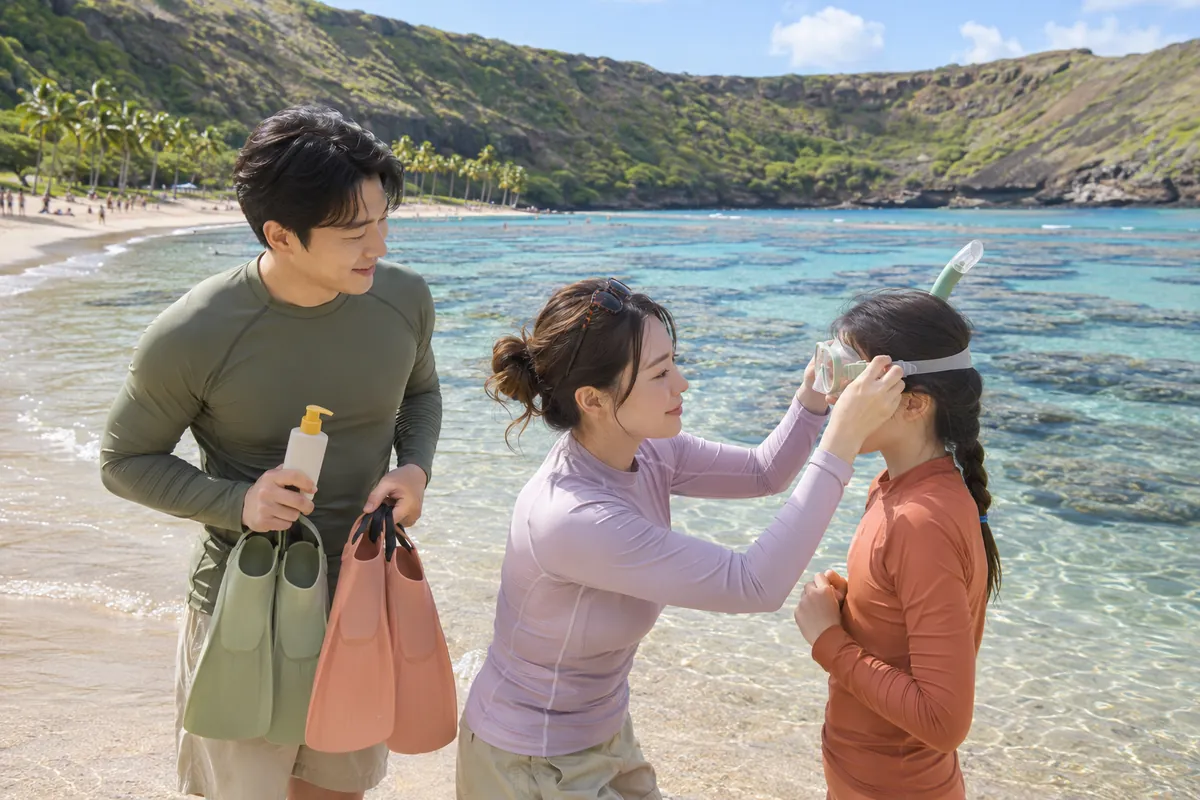
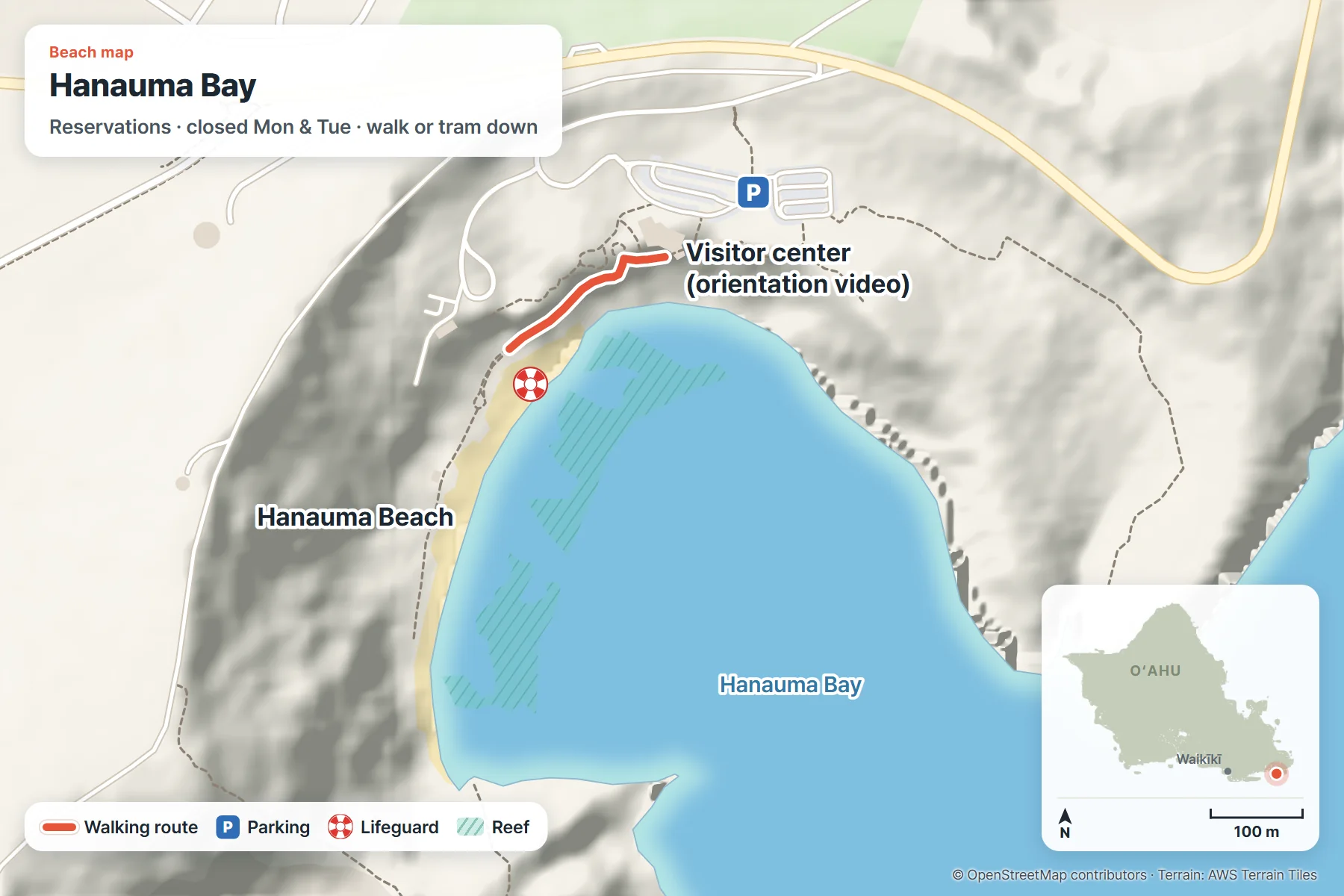
Hanauma Bay is a nature preserve famous for snorkeling. Visitors who are not Hawaiʻi residents must book online in advance, and admission is $25 for ages 13 and over (free for 12 and under). The bay is closed every Monday and Tuesday, and visitors watch an orientation video before entering. It also closes temporarily for construction from time to time, so check the City and County of Honolulu parks department before you go.
What to know by season
- Winter (November–March): big waves reach the north shore at places like Waimea Bay and Sunset Beach. Watching the surfers is fun, but do not take children into the water there. Families visiting in winter should swim on the south and east shores.
- Summer (May–September): the north shore calms down, while the south shore around Waikīkī and Ala Moana has days with higher surf.
- Eight to ten days after a full moon: box jellyfish often come into the south shore at Waikīkī and Ala Moana. Check the jellyfish forecast calendar published by the Waikīkī Aquarium, and stay out of the water if warning signs are posted.
Safety habits local families follow
- Swim where there is a lifeguard tower, and check the flags and signs in front of it first.
- There is a lot of coral and rock, so put water shoes on children.
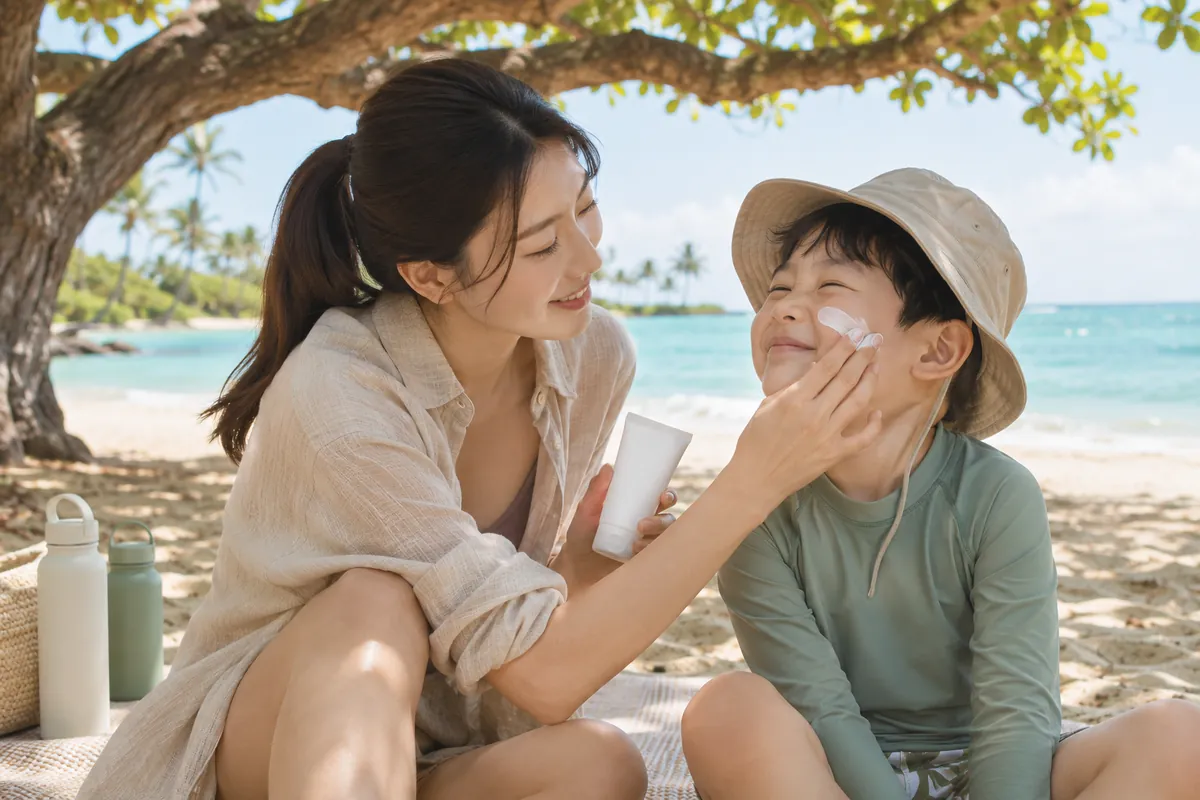
- Hawaiʻi bans the sale of sunscreens containing oxybenzone and octinoxate. Bring a reef-friendly mineral sunscreen, and a long-sleeved rash guard means less reapplying.
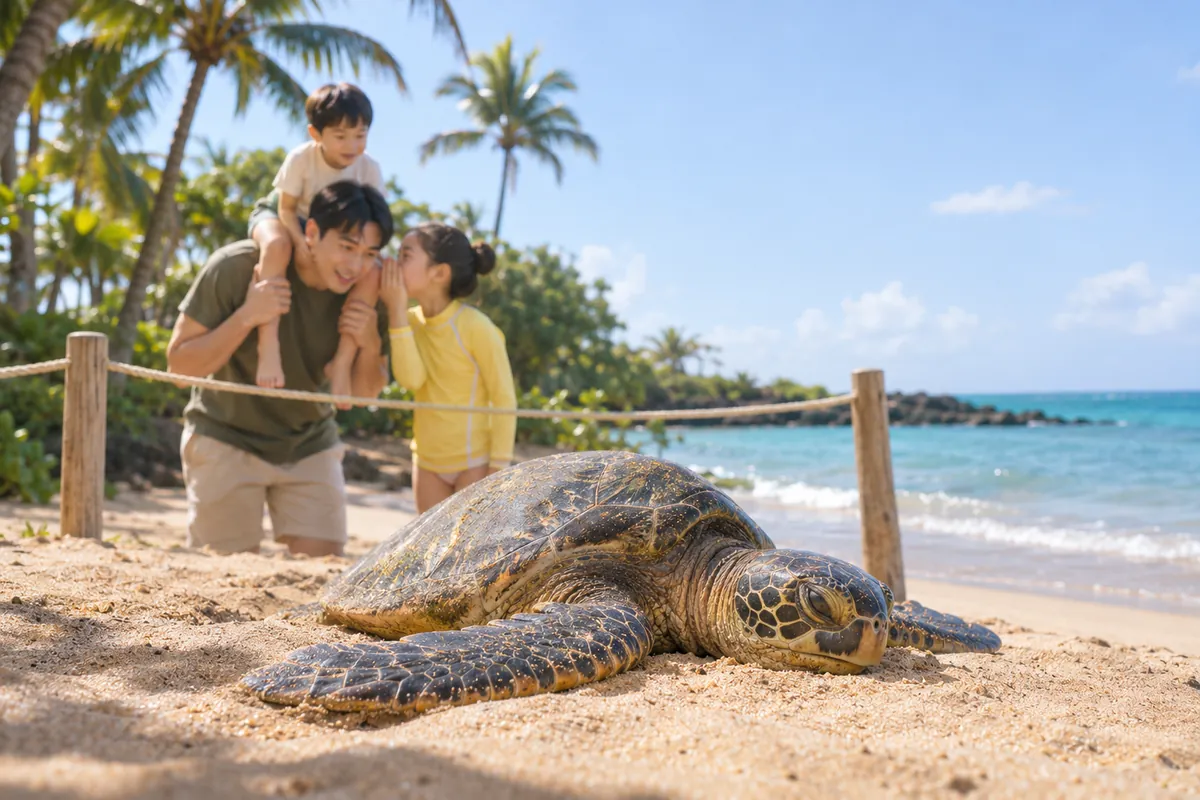
- If you see a sea turtle (honu) or a Hawaiian monk seal, watch from a good distance. Never touch or follow them.
- The wind often picks up in the afternoon, so mornings are easier for swimming with young children.
ALOHA LAKE also helps families on a monthly stay find beaches near their condo and places to swim that suit their children's ages. Our condo areas are on the Accommodations page.
Questions about anything in this post?
More posts
- Schooling & Schools
Hawaiʻi in the Summer Break: Programs for Elementary Kids from Late July to August (2027)
- Life in Hawaiʻi
A North Shore Day Trip with Kids: Dole Plantation to Waimea (Winter Edition)
- Schooling & Schools
Summer Programs at Hawaiʻi's Top 3 Private Schools: Punahou, ʻIolani and Mid-Pacific